Nepali Perfume Brand: What "Blended in Pokhara" Actually Means, From Composition to Maceration to the Counter
Nepali perfume brand explained: how Shahi Aroma composes, macerates and sells its own blends in Pokhara, with real prices from Rs. 30 per ml.

Yes. Shahi Aroma is a Nepali perfume brand: a house in Pokhara that composes its own blends, rests them in the shop, and sells nothing from any other label. The live perfumes run from Rs. 1,500 for 50ml to Rs. 5,800 for 100ml, which works out to Rs. 30 to Rs. 58 per ml. You can walk into the counter on Newroad and smell them, or order from anywhere in Nepal.
This post explains what "blended in Pokhara" physically means, how a house like this differs from the imported bottles on most Nepali shelves, and what sits in the catalogue at what price. It also says where inspired-by blends fit, and what we cannot tell you from a page.
Is there a Nepali perfume brand? Shahi Aroma, composed and sold from Pokhara
Most of what you find when you search for perfume in Nepal is imported. Shops and distributors bring in bottles made elsewhere and sell them here. Shahi Aroma works the other way round. The compositions are blended in Pokhara, and the only perfumes sold at the counter or online are the house's own. There is no second shelf of other brands behind them.
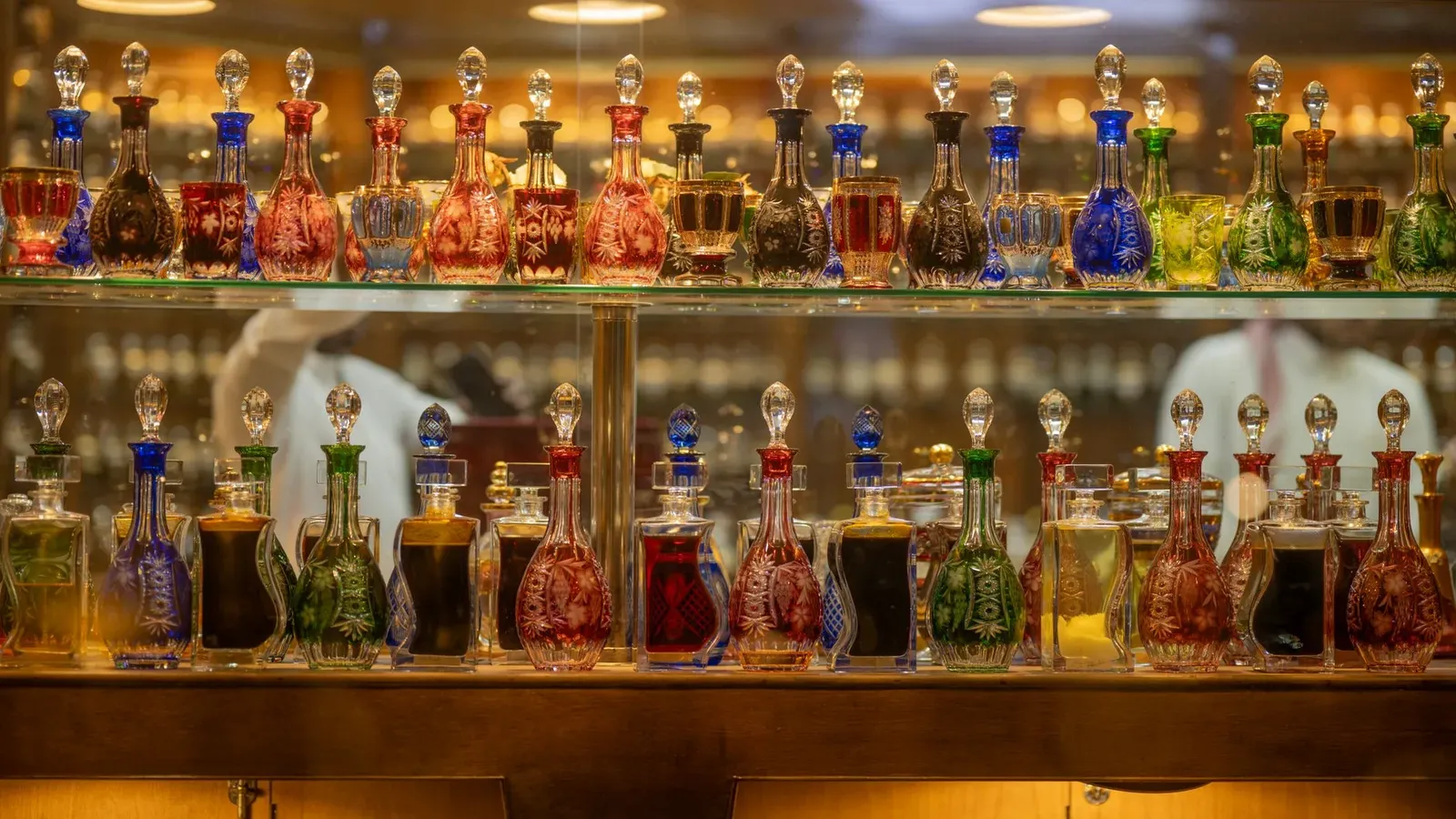
That is a narrow claim, and we mean it narrowly. It says who composes the scent and who sells it. It does not say every raw material grows in Nepal, and it does not say the house is the only maker in the country. It says that when you buy a Shahi Aroma bottle, the people who blended it and the people who hand it to you work from the same town.
What "blended in Pokhara" means, step by step
The phrase covers three stages. Each one happens in Pokhara, and each one is something you can ask about.
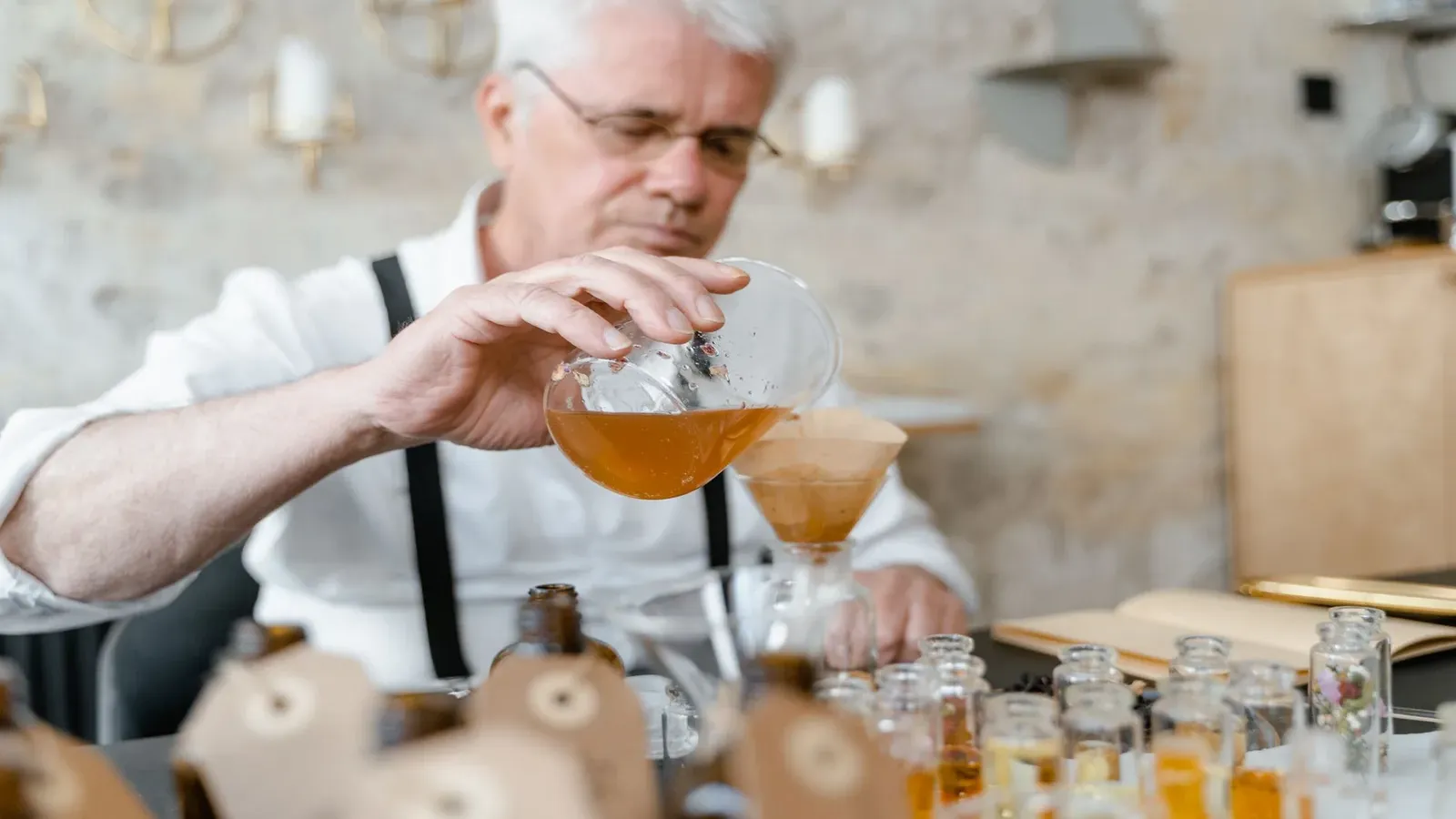
1. Composing the blend
A perfume is built from fragrance oils in layers: top notes that you smell first, heart notes that form the body, and base notes that stay longest. The house chooses which notes go into each composition and how they are balanced against each other. Our guide to top, heart and base notes covers how those layers work. The general principle, oils dissolved in a solvent base, is described on Wikipedia's perfume page.
2. Resting the blend
Once blended, the mixture is not bottled and sold the same day. It rests. This is maceration, covered in its own section below.
3. Handing it over at the counter
The third stage is the sale. The shop is at Newroad, Street-12, Pokhara 33700. You can smell the blends, ask what is in them, and ask which are inspired-by compositions. If you order online, the same shop packs and dispatches your bottle.
What makes a Nepali perfume brand different from an imported bottle
The difference is less about quality than about what you can find out. Imported brands such as Bellavita, Al Haramain and Nishane reach Nepal through distributors. We are naming them only as examples of the import route, not judging them. A buyer in Pokhara who has a question about a bottle is asking a shop that did not make it, about a product that was made and filled somewhere else.
Imports also pick up costs on the way in. They pay customs duty and VAT at the border, and a distributor and a retailer each add a margin. One commercial source reports the duty and VAT together as a substantial slice of the landed price, though we have not verified that figure. Our explainer on why perfume is expensive in Nepal walks through how those layers build a shelf price.
A house that blends and sells its own compositions has fewer steps between the oil and your hand. That is why the catalogue below starts at Rs. 30 per ml. It does not mean a Shahi Aroma blend smells the same as, or is better than, any particular import. It means you are paying for a shorter chain. For a wider look at imported and clone-style bottles, see Lattafa, Armaf and Arabian perfumes in Nepal.
Maceration: why the blend rests before it leaves the shop
Maceration is a resting period after blending. The oils and the alcohol base are mixed on day one, but they have not fully settled together. Left alone, they combine, and the rough edges of a fresh mix tend to soften. The house lets each blend rest in Pokhara before any bottle leaves the shop.
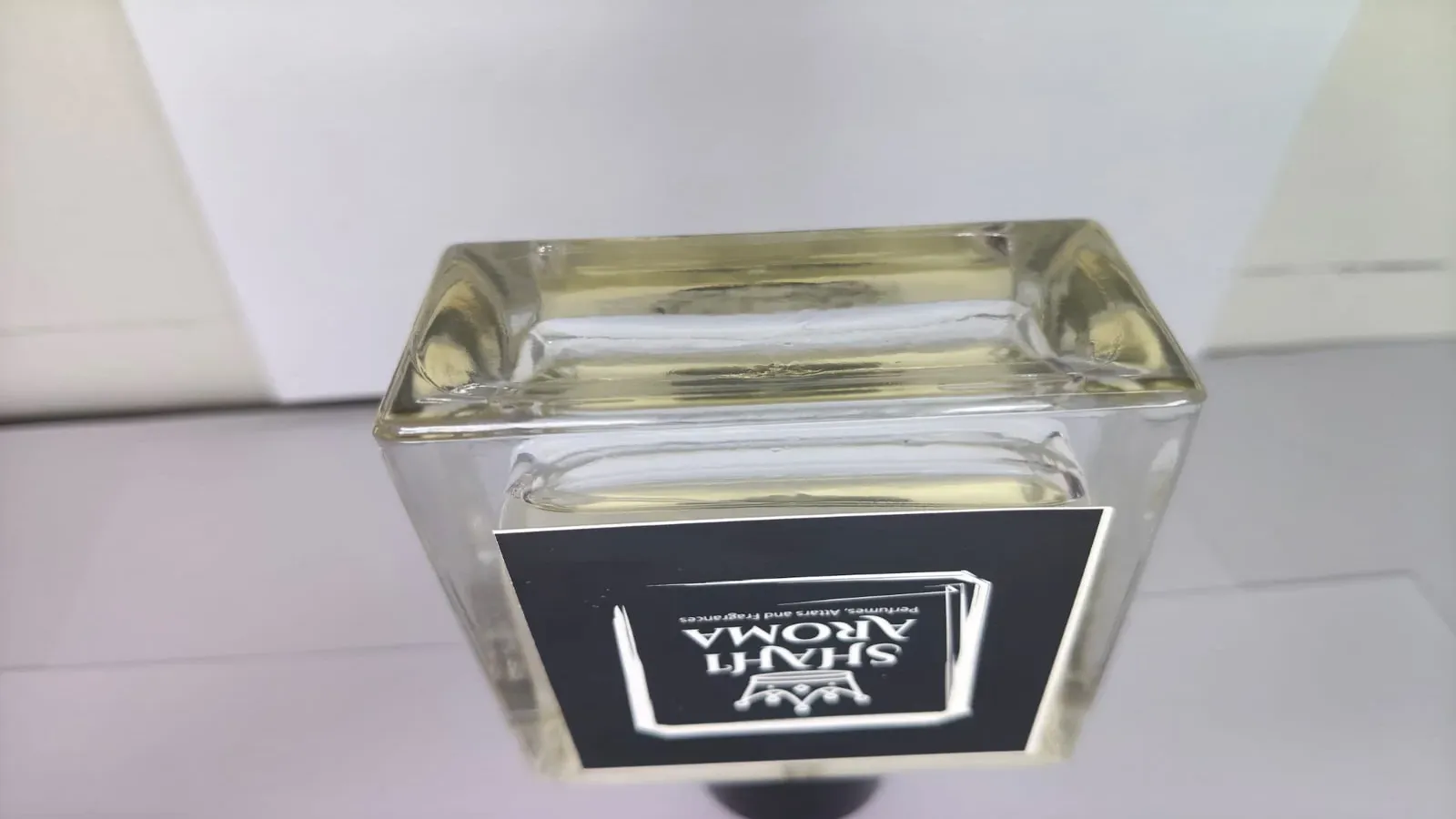
What it changes: a freshly mixed blend can smell sharp or disjointed, with the alcohol more obvious than the notes. A rested blend usually reads as one smooth scent rather than a list of ingredients.
What it does not do: maceration does not make a weak composition strong, and it cannot tell you how long a scent will last on your skin. Skin chemistry, weather and how much you spray all matter more than anyone likes to admit. We have no published longevity figures for Pokhara's monsoon or winter, and no guide, ours included, can predict what a perfume does on you. The honest test is to wear it. Read the full explanation in why we let a fragrance rest.
Where inspired-by blends fit beside originals and clones
Some Shahi Aroma compositions are inspired-by blends. That means they are written to evoke a style or a well-known scent, not to be the original. We do not sell any designer house's product, and we do not pass an inspired-by blend off as one.
The term sits between two others you will meet elsewhere. An original is made and sold by the house that created the scent. A clone is a copy aimed at matching an original as closely as possible. An inspired-by blend is its own composition with a nod to a direction. Different sellers use these words loosely, so do not rely on the word alone.
The practical advice is simple. When you come to the counter, or message us before ordering, ask which blend is which. We would rather you ask than assume. For the longer discussion of what a low price does and does not buy, read what you're actually paying for when a bottle costs a tenth of the original.
A sample of the live catalogue, with prices and price per ml
Here are ten of the house's live perfumes. Each price is the catalogue price, and the per-ml figure is the price divided by the bottle size. Within a price band the 50ml and 100ml sizes cost the same per ml.
| Perfume | For | 50ml | 100ml | Per ml |
|---|---|---|---|---|
| Sultan | Unisex | Rs. 1,500 | Rs. 3,000 | Rs. 30 |
| Shahi Orchid | Unisex | Rs. 1,500 | Rs. 3,000 | Rs. 30 |
| Marine King | Unisex | Rs. 1,500 | Rs. 3,000 | Rs. 30 |
| Jasmine Delight | Her | Rs. 1,500 | Rs. 3,000 | Rs. 30 |
| Frozen For Him | Him | Rs. 1,500 | Rs. 3,000 | Rs. 30 |
| Frozen For Her | Her | Rs. 1,500 | Rs. 3,000 | Rs. 30 |
| Classic Musk | Unisex | Rs. 1,500 | Rs. 3,000 | Rs. 30 |
| Vanilla King | Unisex | Rs. 1,500 | Rs. 3,000 | Rs. 30 |
| Neroli | Unisex | Rs. 2,100 | Rs. 4,200 | Rs. 42 |
| Smokey Oud | Unisex | Rs. 2,900 | Rs. 5,800 | Rs. 58 |
The catalogue has three price bands for perfume: Rs. 1,500 and Rs. 3,000, Rs. 2,100 and Rs. 4,200, and Rs. 2,900 and Rs. 5,800. Browse every live perfume in the perfume catalogue, and see what each size actually costs for a deeper price-per-ml breakdown.
Visiting the Newroad counter, dispatch and payment
There is one shop. It is at Newroad, Street-12, Pokhara 33700, and it is open Sunday to Friday, 10:00 to 19:00. It is closed on Saturday. The phone and WhatsApp number is +977 9829184422. Directions and visiting details are on the Pokhara page.
If you are not in Pokhara, the shop delivers nationwide. Orders are dispatched within 1 to 2 working days. After dispatch, expect delivery the same or next day inside Pokhara, 2 to 4 days to the Kathmandu valley, and 3 to 7 days elsewhere. Any delivery charge is shown at checkout.
You can pay by cash on delivery, eSewa, or Checkout by Fonepay, which takes a QR scan from any mobile banking app. The guide to buying perfume online in Nepal covers each payment method in more detail.
Questions people ask
Is there a real perfume brand made in Nepal?
Shahi Aroma is one: a perfume house in Pokhara that composes its own blends and sells no other brand. We cannot speak for every maker in the country, only for how this house works.
What does "blended in Pokhara" mean?
It means three steps happen in Pokhara: the blend is composed, it rests (macerates) in the shop, and it is sold from the Newroad counter or dispatched from there. It is a statement about where the work is done, not a guarantee about how a scent will wear on your skin.
Who makes the perfume, and does the shop sell other brands too?
The house blends its own compositions. The shop sells only Shahi Aroma perfume and attar, with no imported brands on the shelf.
How is a Nepali perfume different from an imported bottle or a clone-style perfume?
An imported bottle was made elsewhere and reaches you through a distributor, with duty and margins added along the way. A clone aims to copy an original. Some of our blends are inspired-by compositions, which are their own blends with a nod to a style. Ask at the counter which is which.
How much do your perfumes cost?
Live perfumes cost Rs. 1,500 to Rs. 2,900 for 50ml and Rs. 3,000 to Rs. 5,800 for 100ml. That is Rs. 30, Rs. 42 or Rs. 58 per ml depending on the blend.
The short version
Shahi Aroma composes its own perfumes in Pokhara, rests them before sale, and sells no other brand, with prices from Rs. 30 to Rs. 58 per ml. Smell them at Newroad, Street-12, or order for delivery anywhere in Nepal.
Shop the perfumes · Visit the Pokhara counter · Call or WhatsApp +977 9829184422