
Woody Perfume Explained: Cedar, Sandalwood, Vetiver and Oud, and How Each Wears in Pokhara's Heat
Woody perfume explained: how cedar, sandalwood, vetiver, oud and guaiac smell and last, and how each performs in Pokhara's monsoon heat and dry winter.

Woody perfume means a composition built around notes like cedar, sandalwood, vetiver, oud or guaiac — ingredients that read as dry, warm, smoky or earthy rather than fruity or floral. At Shahi Aroma these woody base notes turn up in blends priced from Rs. 1,500 to Rs. 2,900 for a 50ml or 100ml bottle, and which wood you pick changes how the scent behaves once Pokhara's humidity gets to it. Cedar and sandalwood soften and blur faster in the monsoon; vetiver and oud tend to hold their shape through both the wet season and the dry, cold winter. This guide takes each wood on its own, then lists which of our compositions actually carry one in the base.
What follows goes through cedar, sandalwood, vetiver, oud and guaiac one at a time — how each smells, roughly where it sits in a composition, and how long it tends to last on skin. After that: how the same wood performs differently in Pokhara's July humidity than in its dry January air, how to choose between wood-forward compositions, and a list of catalogue perfumes whose base notes are confirmed woody, with sizes and prices.
What "woody" means in perfumery

"Woody" is one of the oldest classification families in perfume, and it usually refers to what's sitting in the base — the notes that come through last and stay longest after the top and heart notes have faded (our guide to top, heart and base notes has more on how that structure works). Woods read as dry, warm, smoky or earthy rather than sweet or bright, and they're used because they're heavy, slow-evaporating materials that hold the lighter notes built on top of them in place. Five woods do most of the work in compositions sold in Nepal: cedar, sandalwood, vetiver, oud and guaiac. They don't all come from trees, and they don't all smell like each other — a cedar-forward scent and an oud-forward one share almost nothing beyond both sitting in the "woody" family. The next four sections take each one on its own.
Cedar: dry, pencil-shaving sharpness
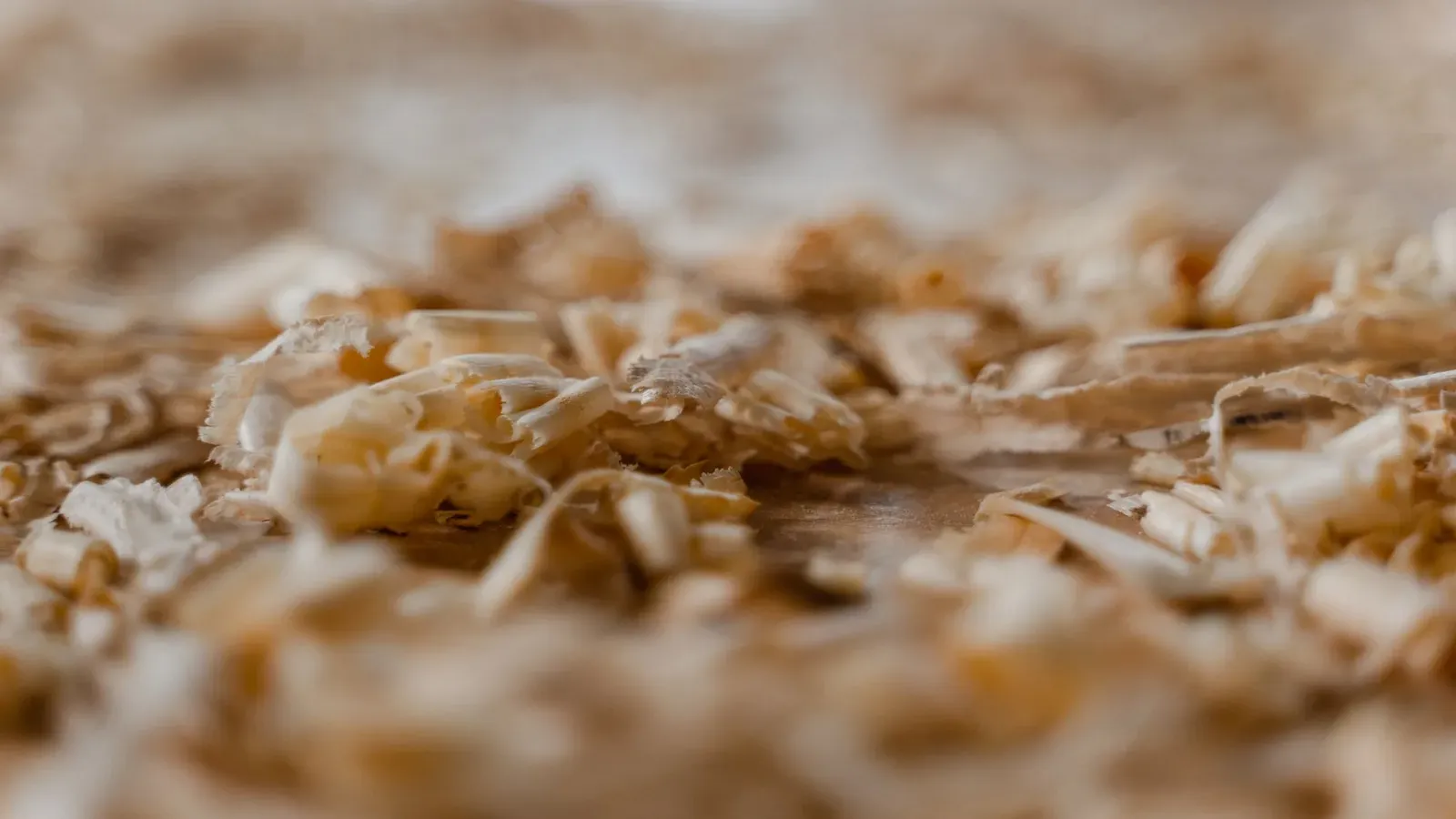
Cedar smells close to what it looks like on a spice rack or in a pencil box: dry, slightly sharp, a little sweet at the edges but never soft. It usually sits in the base, sometimes reaching up into the heart, and it's often one of the first base notes to become noticeable as the top notes burn off — which is part of why it reads as "clean" rather than heavy. On its own it doesn't last as long as sandalwood or vetiver; paired with musk or amber, which several of our cedar-based compositions use, it holds through most of a working day.
Sandalwood: creamy, soft, and slow to fade
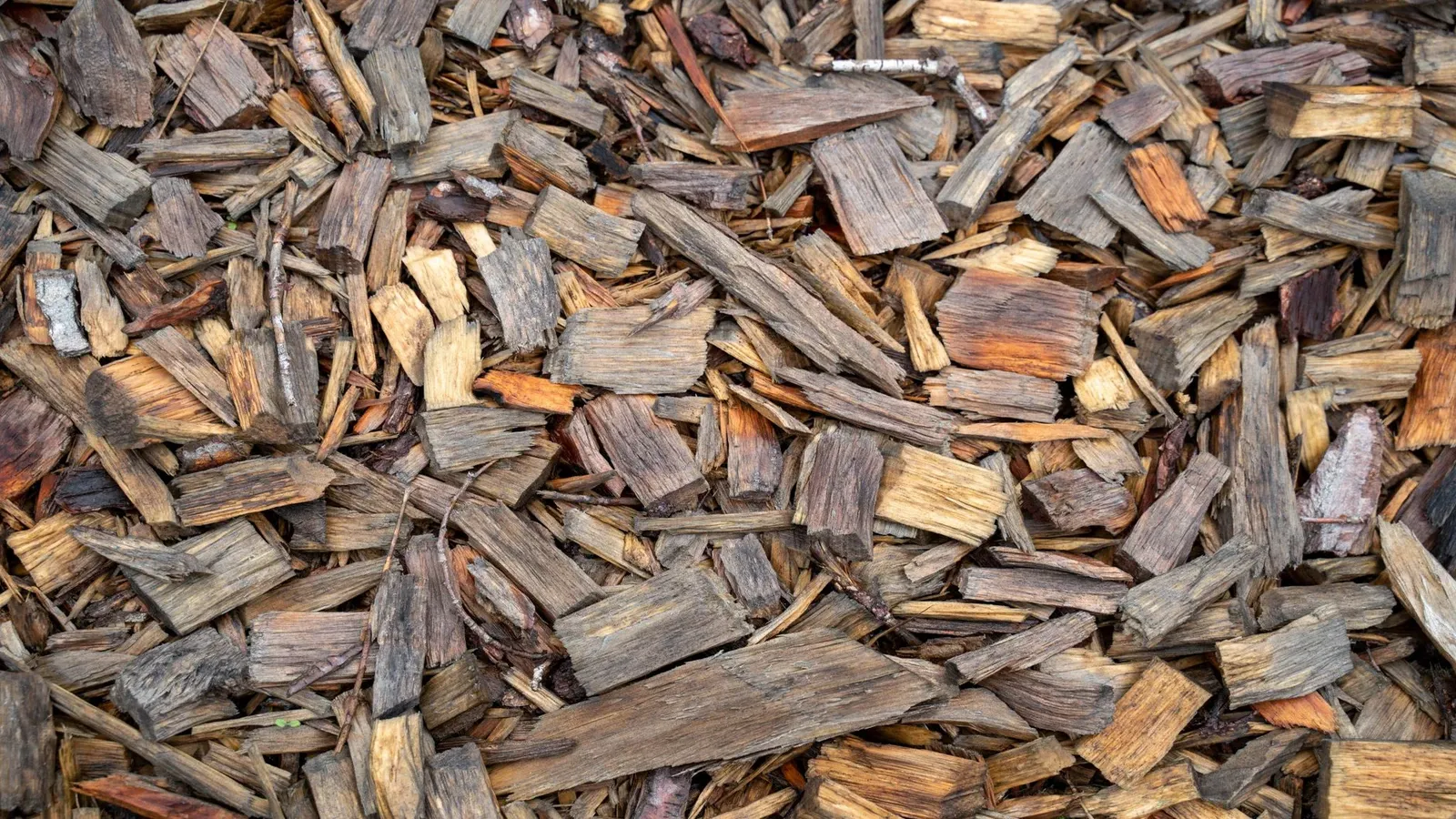
Where cedar is sharp, sandalwood is round. It smells creamy and slightly milky, with a soft sweetness that reads warmer than cedar's dry snap, and it's built from heavier, less volatile molecules — which is exactly why it lasts as long as it does on skin. Perfumers often use it to smooth out a composition, rounding off a sharper cedar or a bitter patchouli rather than standing alone as the whole base. It's also one of the woods that changes least in intensity between a cold morning and a warm afternoon, which matters more in a place with Pokhara's swing between seasons than it might elsewhere.
Vetiver: root, not wood — smoky and green
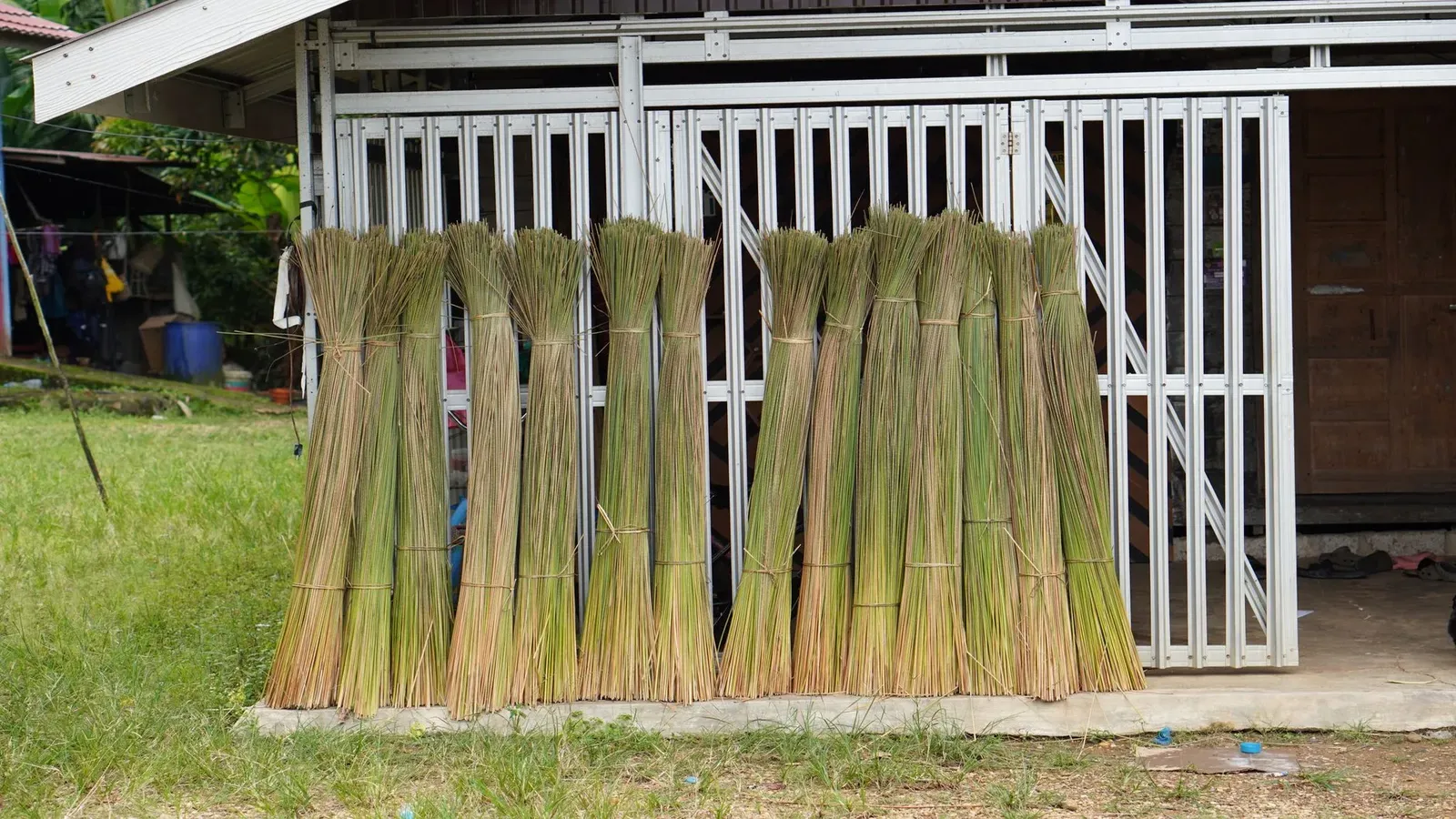
Vetiver isn't wood at all. It's distilled from the roots of a tropical grass, and the smell reflects that — smoky, green, a little damp, closer to freshly turned earth than to a tree. It's grouped with the woody notes because it behaves the same way in a composition: low volatility, long-lasting, used to anchor a base rather than open a scent. What sets it apart from cedar and sandalwood is that it doesn't soften or sweeten with time — it stays a little raw and vegetal from first spray to last trace, which is why a vetiver-forward perfume tends to smell almost the same eight hours in as it did at the start.
Oud and guaiac: smoke, resin, and rarity
Oud is the resin a handful of Aquilaria tree species produce when the wood is wounded or infected by a particular mould — the tree isn't naturally resinous, it reacts to damage by producing a dark, fragrant resin inside the wood grain. That resin, not the wood itself, is what gives oud its dense, smoky-sweet depth: closer to leather and incense than to a clean plank of cedar. Wild agarwood is scarce for a reason. Every Aquilaria species has been listed under CITES Appendix II since 2004, and several — including Aquilaria malaccensis, historically the most prized source — are considered endangered or critically endangered according to assessments of the genus. Almost none of what's sold as "oud" today, in Nepal or anywhere else, is wild resin; it's a synthetic or reconstructed oud accord built to approximate the smell without touching a restricted tree, and the Perfume Society's plain-language explainer on agarwood is worth reading if you want the longer version. Guaiac wood sits next to oud on a shelf for a reason: it's a softer, more affordable stand-in with its own smoky, faintly tarry facet, sourced from a different tree entirely and without the same rarity or restriction.
How woody perfume wears in Pokhara's heat versus winter

Pokhara's monsoon months — June through September — sit close to 21°C on average, with highs near 23.7°C and relative humidity above 89% at the peak of the wet season in July and August. Over 70% of the roughly 3,500–4,000mm of rain the city gets in a year falls in just those four months, per Pokhara's long-run weather averages. That much moisture in the air changes how a woody perfume behaves. Humid air carries scent further and faster, so the lighter top and heart notes above a woody base can feel louder in the first hour. But the same moisture speeds up evaporation at skin level, and low-volatility base notes — cedar, sandalwood, the ones built to last — tend to blur into each other and fade sooner than they would in dry air. January is the opposite: Pokhara averages around 7.5°C, with lows near 2.3°C and highs around 12.7°C, and the air is dry and cool rather than wet. In that weather the same cedar or sandalwood base holds its shape for longer, with less moisture on the skin competing against it. Vetiver and oud, denser and less volatile than cedar, show the smallest swing between the two seasons — one reason they're a safer pick if you only want to buy one woody perfume for the whole year. Our guide to long-lasting perfume in Nepal covers the climate side of longevity in more depth.
Choosing a woody perfume
Choosing a woody perfume comes down to two questions: which wood you want leading, and what season you're buying for. A cedar-forward scent is a reasonable pick for the office through the wet months — it's dry and sharp enough to cut through humid air rather than get lost in it. Sandalwood-forward blends are better saved for the dry winter, when their creamy warmth has the cool air to unfold in rather than competing with monsoon moisture. Vetiver-forward compositions are the most weather-agnostic of the group: the green, smoky facet reads clean in both seasons. Oud-forward perfumes are heavier and suit evening or cold-weather wear — in the thick of monsoon they can sit close on the skin and feel dense rather than distinct. None of this is fixed by gender. Woody bases run through unisex blends as often as scents marketed to men, and a note doesn't know which shelf it's sitting on. For more picks organised by occasion rather than by wood, our guide to the best perfume for men in Pokhara covers a wider range at each price point.
Which Shahi Aroma compositions carry woody base notes
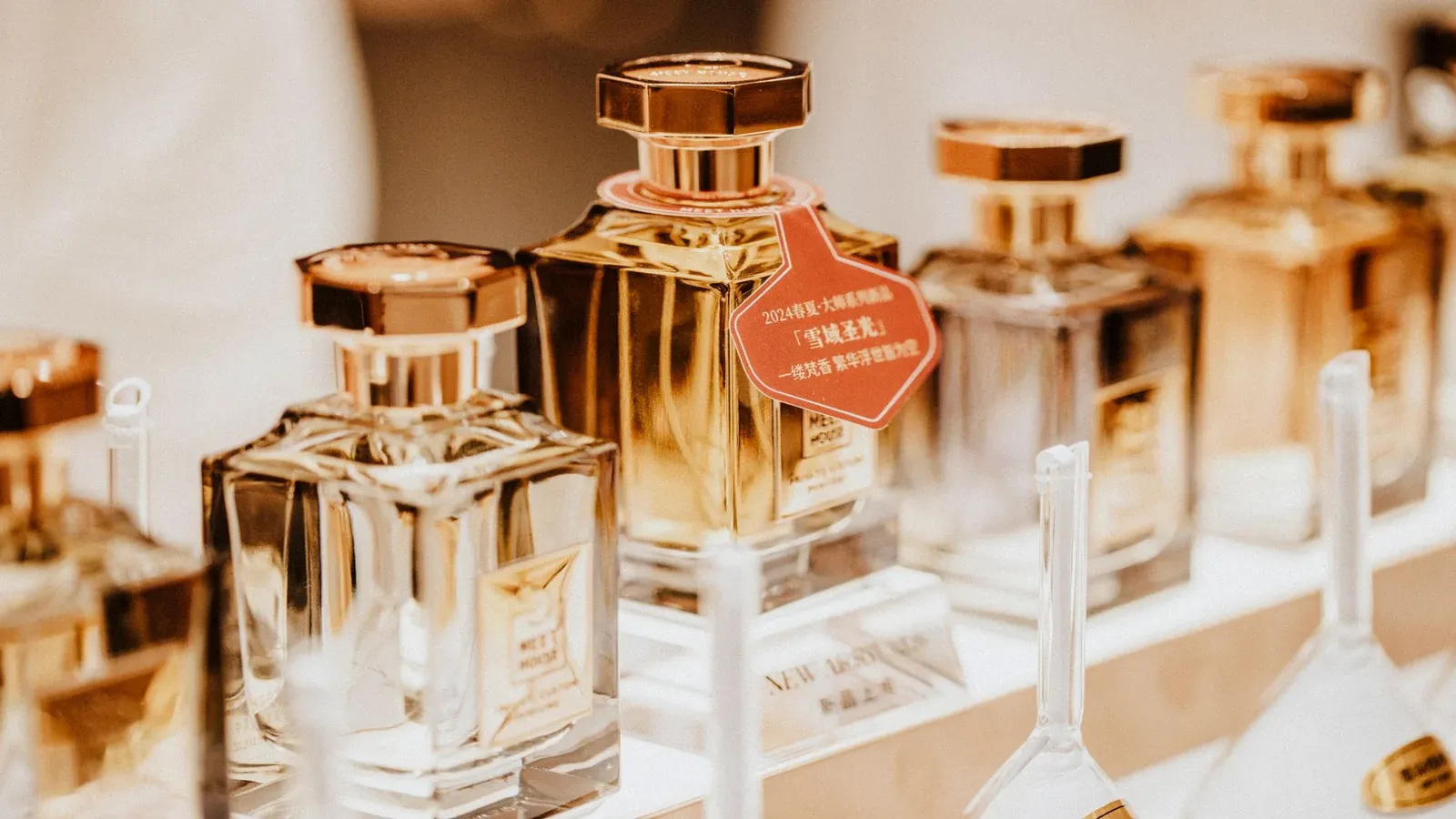
The list below is pulled directly from the catalogue's note fields — only compositions whose base notes actually name cedar, sandalwood, vetiver, oud or guaiac wood are included, whatever the product's name suggests. Sizes and prices are current as of publishing; check the product page before you order in case stock or pricing has moved.
| Composition | Woody base note(s) | 50ml | 100ml |
|---|---|---|---|
| Jasmine Delight | Cedar | Rs. 1,500 | Rs. 3,000 |
| Sultan | Oud | Rs. 1,500 | Rs. 3,000 |
| Shahi Orchid | Sandalwood, Vetiver | Rs. 1,500 | Rs. 3,000 |
| Sportsman | Cedar, Sandalwood | Rs. 1,500 | Rs. 3,000 |
| Navy | Cedar, Vetiver, Sandalwood | Rs. 2,100 | Rs. 2,100 |
| Herbal Fresh | Sandalwood, Guaiac Wood, Vetiver | Rs. 2,100 | Rs. 2,100 |
| Idol | Vetiver, Oud | Rs. 2,100 | Rs. 2,100 |
| Big Shot | Oud | Rs. 2,900 | Rs. 2,900 |
| Victorius | Guaiac Wood | Rs. 2,900 | Rs. 2,900 |
All of these sit in the main perfume shop if you'd rather browse by scent family than by wood, alongside compositions whose base notes lean musk, amber or floral instead.
Questions people ask
What does "woody" actually mean in a perfume?
It's a fragrance family built around notes that smell dry, warm, smoky or earthy — cedar, sandalwood, vetiver, oud and guaiac are the main ones — usually sitting in the base of a composition rather than the opening.
What's the difference between cedar and sandalwood?
Cedar is dry and sharp, close to pencil shavings; sandalwood is creamy and soft, closer to warm milk. Cedar tends to show up early as the base note emerges; sandalwood lingers longest because its molecules are heavier and slower to evaporate.
Does oud smell like wood, or something else entirely?
More the resin than the wood. Genuine oud is the fragrant resin an Aquilaria tree produces when it's damaged, so it reads smoky and resinous — closer to leather or incense than to a plank of cedar. Most commercial "oud" today is a synthetic accord built to match that smell, since wild agarwood is CITES-restricted.
Do woody perfumes work in Pokhara's humid summers, or only in winter?
They work in both, but differently. High monsoon humidity speeds up evaporation at skin level, so cedar and sandalwood bases tend to blur and fade sooner. Vetiver and oud, being denser, hold their shape better across both the wet season and Pokhara's dry, cool winter.
Can woody perfumes be worn by both men and women?
Yes. Cedar, sandalwood, vetiver and oud all appear in compositions marketed as unisex, for him, and for her in our own catalogue — the note itself carries no gender, only the marketing around a particular bottle does.
The short version
Woody perfume means a base built on cedar, sandalwood, vetiver, oud or guaiac — dry, creamy, smoky or resinous notes that hold a composition together longer than its top and heart. Cedar and vetiver do the heavier lifting through Pokhara's humid months, while sandalwood and oud come into their own once the air turns dry and cold. Browse the full range at the shop, visit the counter on Newroad in Pokhara to test a few on skin, or call +977 9829184422 if you'd rather ask first.