
Does Perfume Expire? How to Tell When a Bottle Has Turned, and How Long Perfume and Attar Last in Nepal
Does perfume expire? Learn the signs a bottle has turned, how long perfume and attar last, and a two-minute home test for Pokhara's heat and humidity.
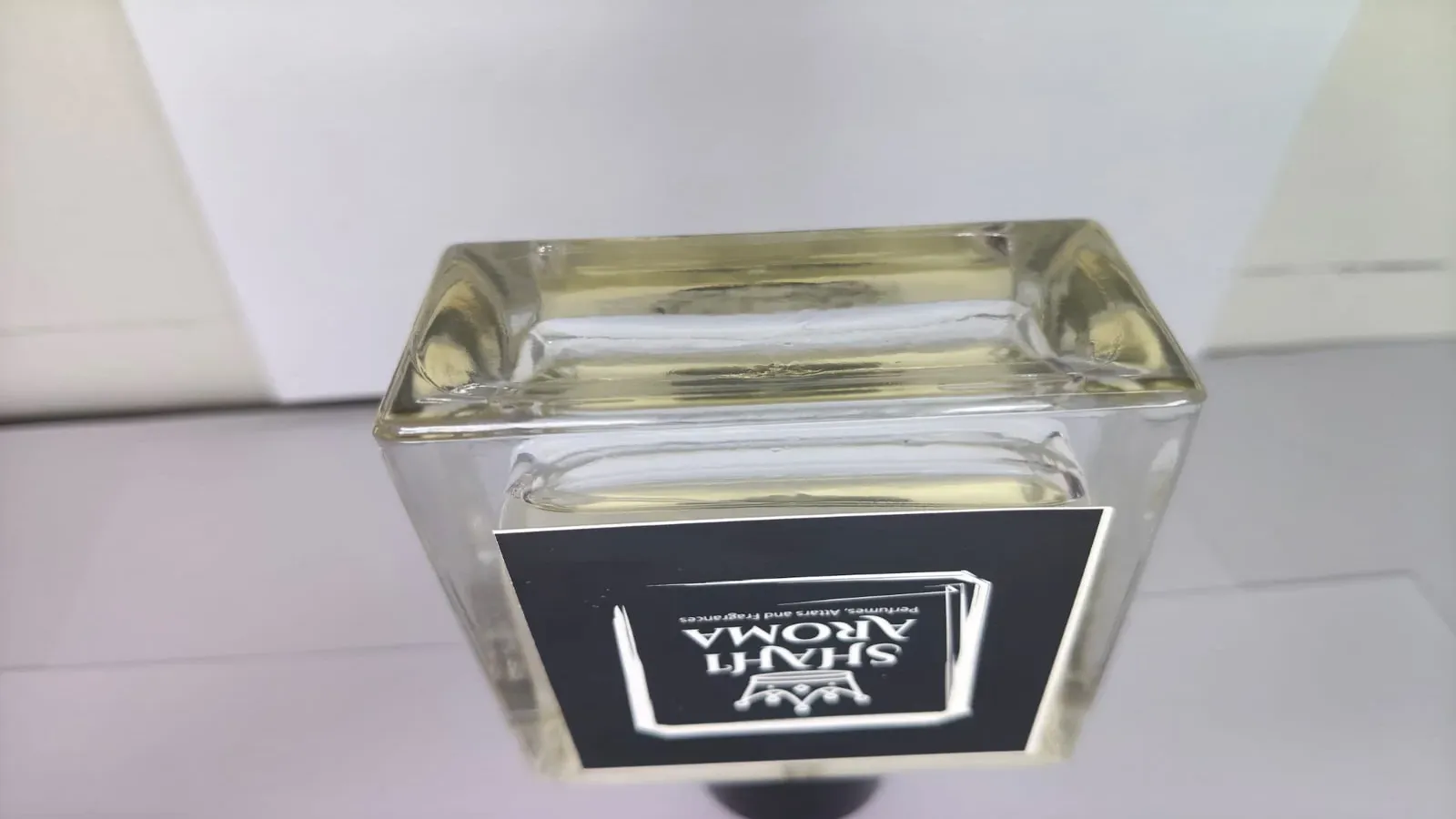
Does perfume expire? Not on a printed date, but it does turn. The usual guidance is roughly three to five years for a sealed alcohol perfume stored well, and often longer. That is a typical range, not a deadline. Price does not change the rules: a 50ml Glacier at Rs. 1,500 and a 100ml Big Shot at Rs. 5,800 turn for the same reasons. Where the bottle sat matters more than how old it is.
This post covers why perfume turns, the three signs to look for, how Nepal's heat and humidity change the clock, how attar differs from spray perfume, and a five-step test you can run at home in two minutes. No guide can tell you what is happening inside your particular bottle, so the test relies on your own nose.
Does perfume expire? The short answer for a bottle in Nepal
There is no legal expiry date on most perfume bottles. A sealed bottle kept in a drawer, away from light and heat, commonly stays good for years. An opened bottle is usually fine for about one to three years in practice. Storage moves that number a long way in either direction.
In Pokhara, the monsoon, summer heat and large day-night swings are the real clock. A bottle kept in a cool cupboard through all of them can outlast one left on a sunny shelf for a single season.
What "turned" actually means: oxidation, heat and light
Perfume turns for three reasons: oxidation, heat and light. Oxygen slowly reacts with the fragrance molecules, heat speeds that reaction up, and sunlight breaks some of them down directly. The general chemistry is described in the Wikipedia article on oxidation.
The light, volatile top notes go first: citrus, bergamot and aldehydes. That is why a turned bottle opens sharp, sour or vinegary. The heavier base notes last longer, but in a badly spoiled bottle they also go flat and thin.
Some bottles carry a small open-jar symbol with "12M" or "24M" on it. That is the period-after-opening mark, used mainly on products sold in the EU and UK. Many bottles sold in Nepal do not carry it, so its absence is not a warning sign.
How to tell when a bottle has turned: colour, top notes and base
Look for three things, and judge them together. One sign on its own is rarely enough to retire a bottle.
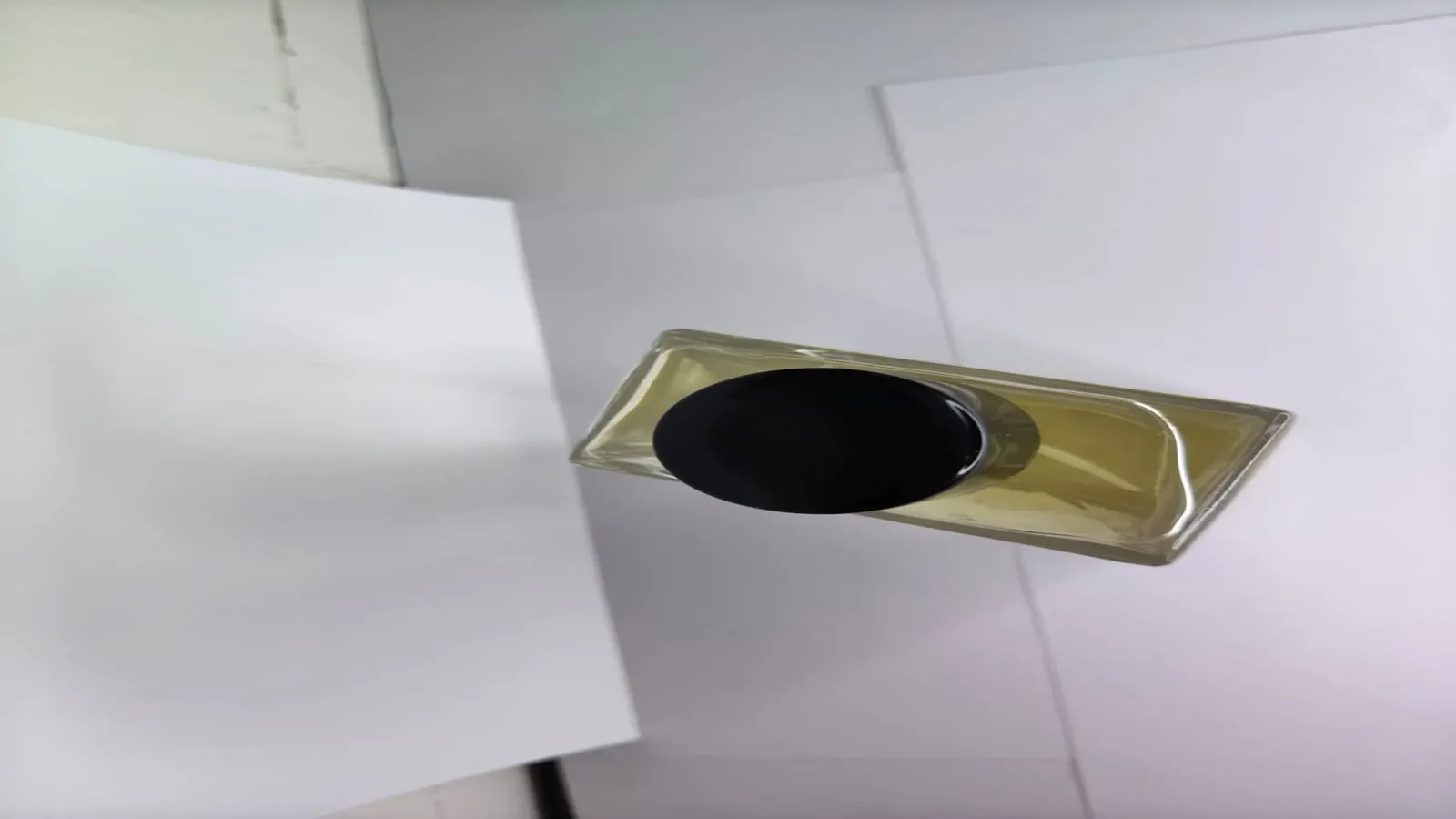
Colour
A turned bottle deepens: clear goes amber, pale yellow goes brown. Cloudiness or floating sediment is a further sign. Colour alone does not prove spoilage, though. Blends built on vanilla, oud or natural materials darken with age and can stay perfectly wearable. A vanilla-heavy blend such as Vanilla King is the sort of composition where a deeper shade needs the smell test before you worry.
Top notes
Spray once on paper and smell the first ten seconds. Sharp, metallic or sour is the warning. A citrus-led blend like Citrus Fresh, Rs. 2,100 for 50ml, shows this earliest, because its opening is made of the notes that fade first.
Base
Give it fifteen minutes. A good base is warm and rounded. A turned one is flat, thin, or smells of nothing much. If the scent also disappears from your skin far faster than it used to, that is the third sign.
Do bottles turn faster in Nepal's heat and humidity?
Yes, if they sit in the wrong place. Heat is the accelerator, and Pokhara swings between monsoon humidity and summer warmth, then cool dry winters. The swing itself is hard on a bottle, because repeated warming and cooling moves air in and out of it.
These are the spots where bottles turn fastest, and the ones that are kind to them:
| Where it sits | What happens |
|---|---|
| Sunny windowsill or shopfront shelf | Light and heat together; the quickest way to turn a bottle |
| Motorbike box or car dashboard | Strong heat spikes in summer |
| Bathroom shelf | Steam and daily temperature swings |
| Closed drawer or wardrobe, in its box | Dark and steady; the best option in a home |
For the full storage routine, see how to make perfume last longer in humid weather. If you are choosing a bottle to survive the hot months, which compositions cope with heat and humidity is the place to start.
Alcohol perfume vs attar: how long each lasts
Attar is oil-based, with little or no alcohol. That means there is no alcohol to evaporate and no sudden flash-off of top notes, so attar generally ages more slowly. Many attars are said to mature and deepen with time.
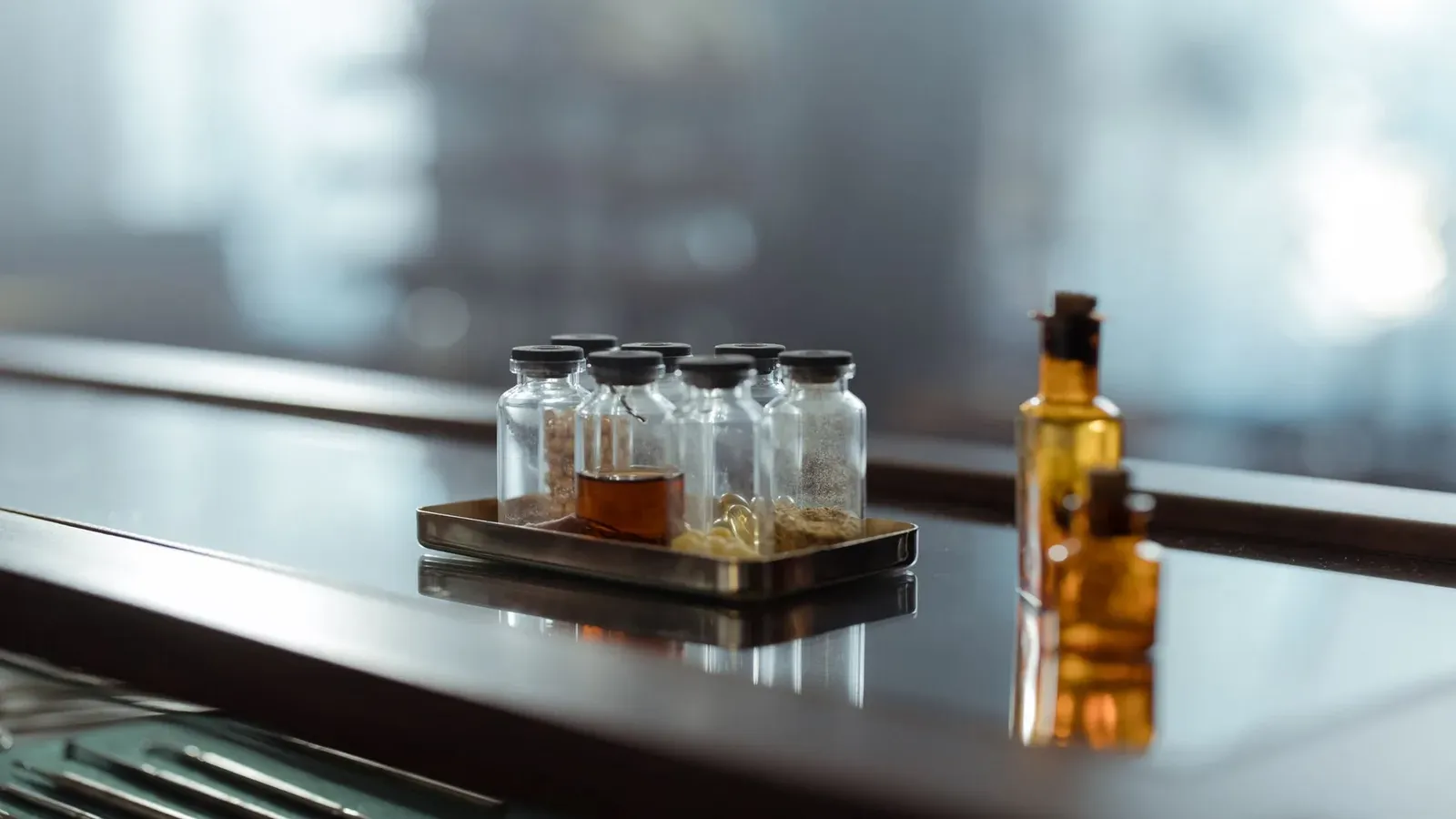
Attar can still go wrong. If the base oil oxidises, it smells waxy, crayon-like or sour. Heat and air matter here too, so keep the cap tight and the vial out of the sun. Neither type has a fixed number of years. For a deeper comparison, read attar vs perfume and eau de parfum vs eau de toilette vs attar. To ask about attar, contact the shop, or browse the attar category.
Sealed bottle vs one used for a year
A sealed bottle kept in a drawer should look and smell the way it did on the day you bought it. If it does not, the storage was the problem, not the calendar.
A bottle used for a year has had the air inside it replaced many times. Expect slightly softer top notes and, in a warm home, a slightly deeper colour. That is normal wear, not necessarily spoilage. A half-empty bottle oxidises faster than a nearly full one, because more air sits above the liquid. Run the checklist below before you decide anything.
A five-step checklist for a bottle that is still good
This takes about two minutes, plus a fifteen-minute wait.
- Look at the liquid in daylight against a sheet of white paper. Compare it to what you remember.
- Check for cloudiness or particles by tilting the bottle.
- Spray on paper and smell the first ten seconds for anything sharp or sour.
- Wait fifteen minutes and check that the base is still warm, not flat.
- Wear a small amount on your wrist and see whether it lasts as long as it used to.
Two or more fails: retire the bottle. A bottle that smells off is not dangerous in most cases, but skin irritation is possible, so test on a small patch first.
How Shahi Aroma blends are prepared before sale
We blend our compositions in Pokhara and let them rest before sale, a step called maceration. It lets the components settle together so the first spray is smoother. The full explanation is in why we let a fragrance rest.
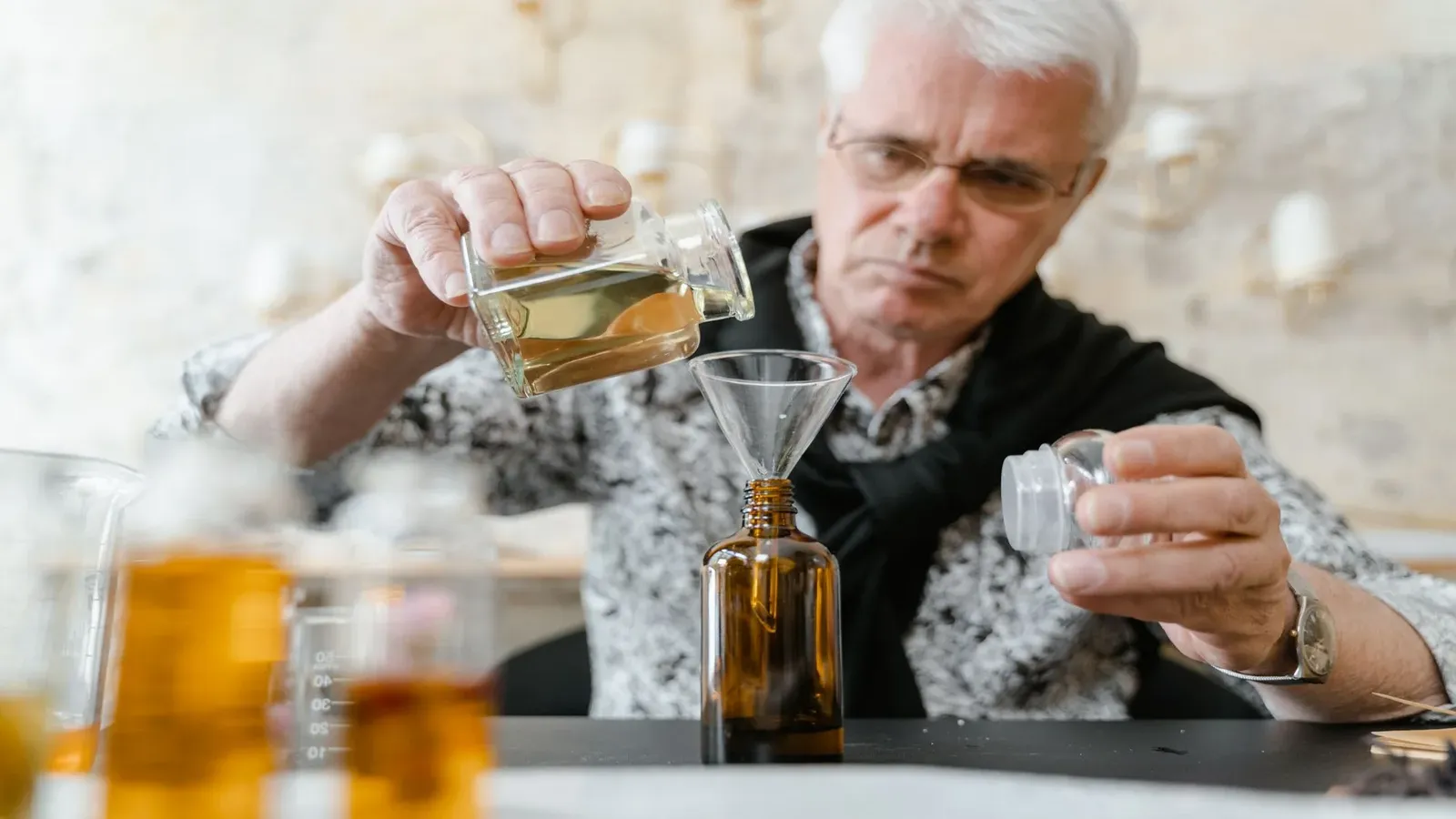
Maceration is preparation. It is not a guarantee of shelf life. We have not published batch dates or expiry dates for our bottles, so we will not quote one, and you should be cautious of any seller who does without showing the source.
Questions people ask
Does perfume actually expire, or is that just marketing?
It is real chemistry, not marketing, but it is not a fixed date. Oxidation, heat and light change a fragrance over time. Careful storage can stretch that to many years.
Is it safe to wear perfume that has turned darker?
A darker colour on its own does not mean the perfume is spoiled. Vanilla, oud and natural-material blends deepen with age. If the smell is still pleasant and the base is warm, it is wearable. If it smells sharp or sour, retire it, and patch-test on your wrist first.
How long does a sealed bottle last, and how long once opened?
Typical guidance is about three to five years sealed and often longer, and about one to three years once opened. Both are ranges, not promises. Storage can shift them either way.
Does attar expire, and does it last longer than spray perfume?
Attar generally ages more slowly because it is oil-based, and many attars deepen over time. It can still turn rancid, smelling waxy or sour, if the oil oxidises or the vial is kept warm.
My perfume smells sharp at the start but fine later. Is it ruined?
Not necessarily. A sharp opening that settles into a warm, full base can just be tired top notes in an older bottle. If the base is also flat and the scent fades quickly, it has turned.
The short version
Perfume has no fixed expiry, but it does turn, and heat, light and air are what do it. Keep it cool and dark, and run the five-step check before you trust an old bottle.
Browse the shop, visit us on the Pokhara page (Newroad, Street-12, Sunday to Friday 10:00 to 19:00), or call +977 9829184422.