Orris Perfume: Why Iris Root Costs More Than Gold (and What It Actually Smells Like)
Orris perfume: why iris root drying five-plus years and a 1,000kg-to-2kg yield make orris pricier than gold, and which catalogue scents carry it.
Orris perfume is any fragrance built around orris butter or orris absolute, the aged, dried rhizome of Iris germanica or Iris pallida — not the iris flower itself. A ton of dried root yields only around two kilos of oil, which is why orris is routinely described as the most expensive material in perfumery, more valuable ton for ton than gold. At Shahi Aroma's counter in Pokhara, six compositions list iris or orris in their own note pyramid, from Sassy Girl at Rs. 1,500 for 50ml to Te amo at Rs. 2,900, though the catalogue doesn't say whether the note comes from real orris extract or a synthetic powdery accord — a distinction this post walks through below.
This post covers what orris actually is, why the years-long processing behind it makes it so costly, what the different label terms — orris root, orris butter, orris absolute — mean, what the note smells like on skin, how to spot it on an ingredient list, and why most modern perfumes, including ours, lean on a synthetic powdery accord instead of the real thing. It closes with which Shahi Aroma compositions actually carry iris or orris, and answers to the questions people ask most often about this one note.
What Is Orris, Actually? Iris Rhizome vs. Iris Flower
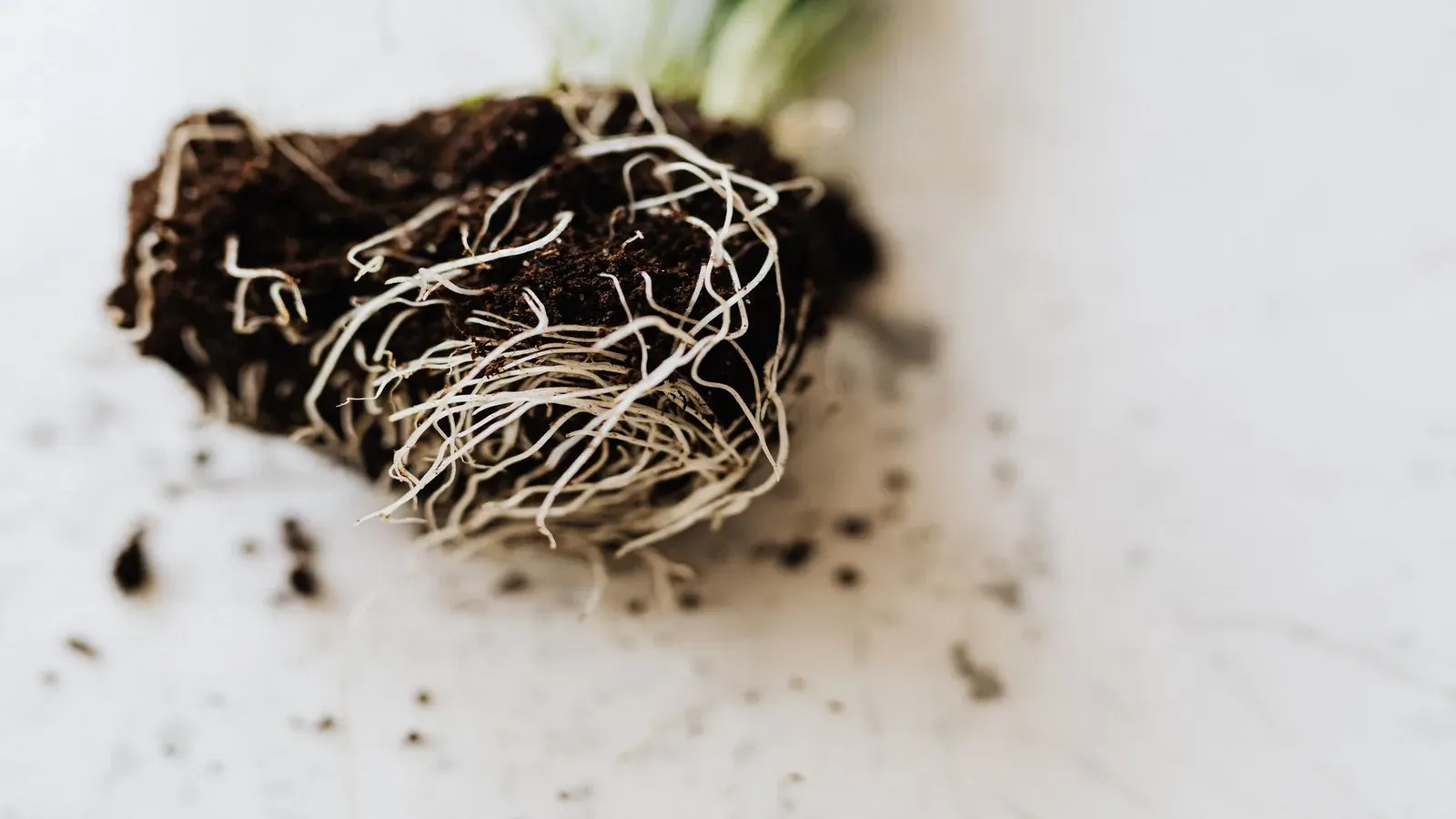
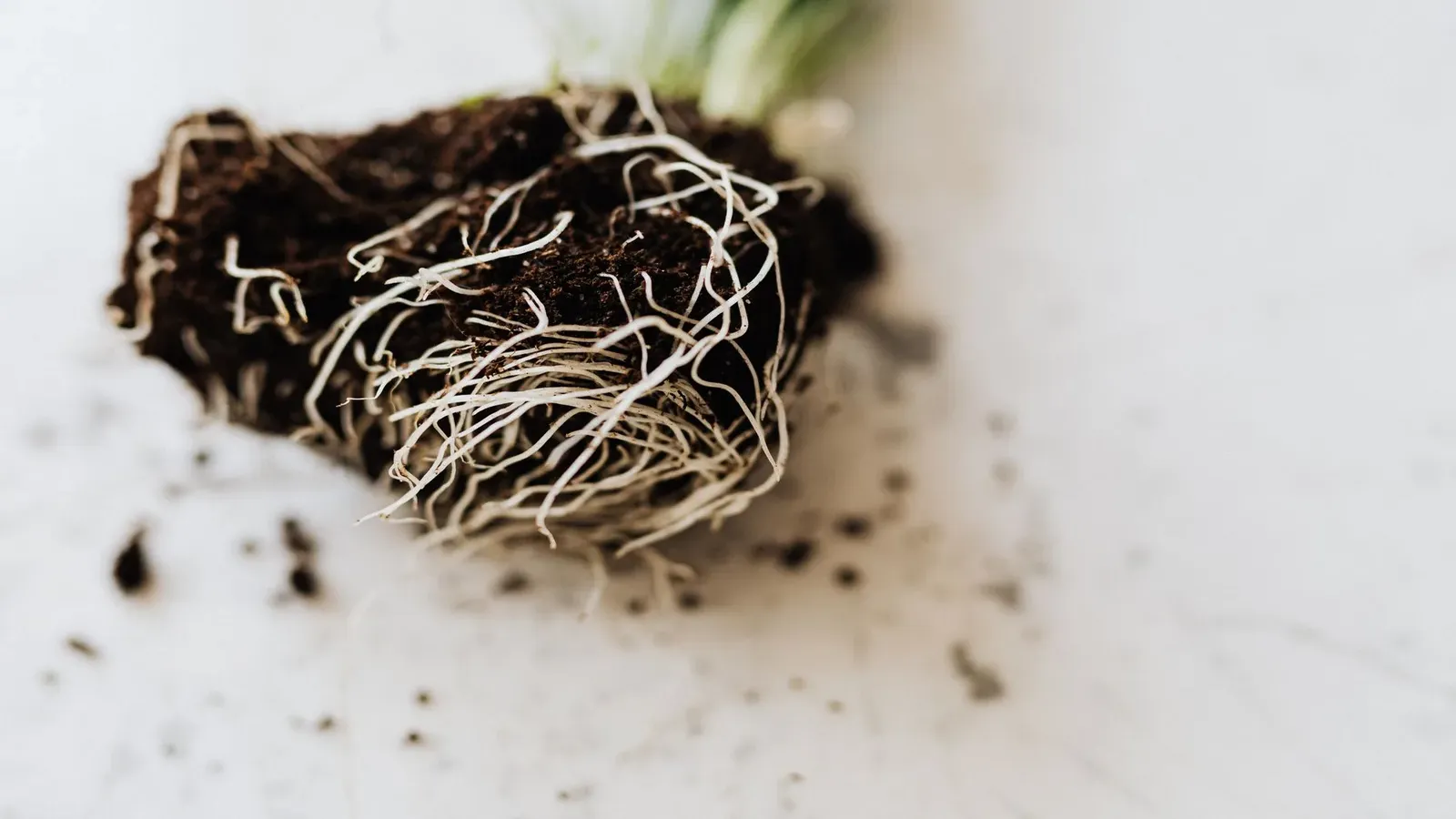
Iris is the flower — tall, showy, grown in gardens across Nepal and everywhere else. Orris is something else: the peeled, dried and aged rhizome (the underground stem, often mistaken for a root) of a small number of iris species, chiefly Iris germanica and Iris pallida. Perfumers don't use the flower itself; it has almost no fragrance and wilts too fast to process. Everything sold as "orris" in perfumery comes from what grows underground.
The confusion is understandable, because a note list will often just say "Iris" rather than "orris root" or "orris absolute," leaving the reader to guess which material is meant. Wikipedia's entry on orris root lays out the botany plainly: it's the rhizome, not the bloom, that ends up in a bottle.
Why Orris Costs More Than Gold: The Years-Long Process Behind It
A freshly dug iris rhizome has almost no smell. The violet-like fragrance orris is known for only develops during a long drying and aging period — a minimum of two to three months if the root is destined for cheap potpourri, but five years or more if it's going into fine fragrance, according to Wikipedia's orris root entry. Over those years the rhizome loses most of its weight and slowly builds the compounds, chiefly irones, that give orris its scent.
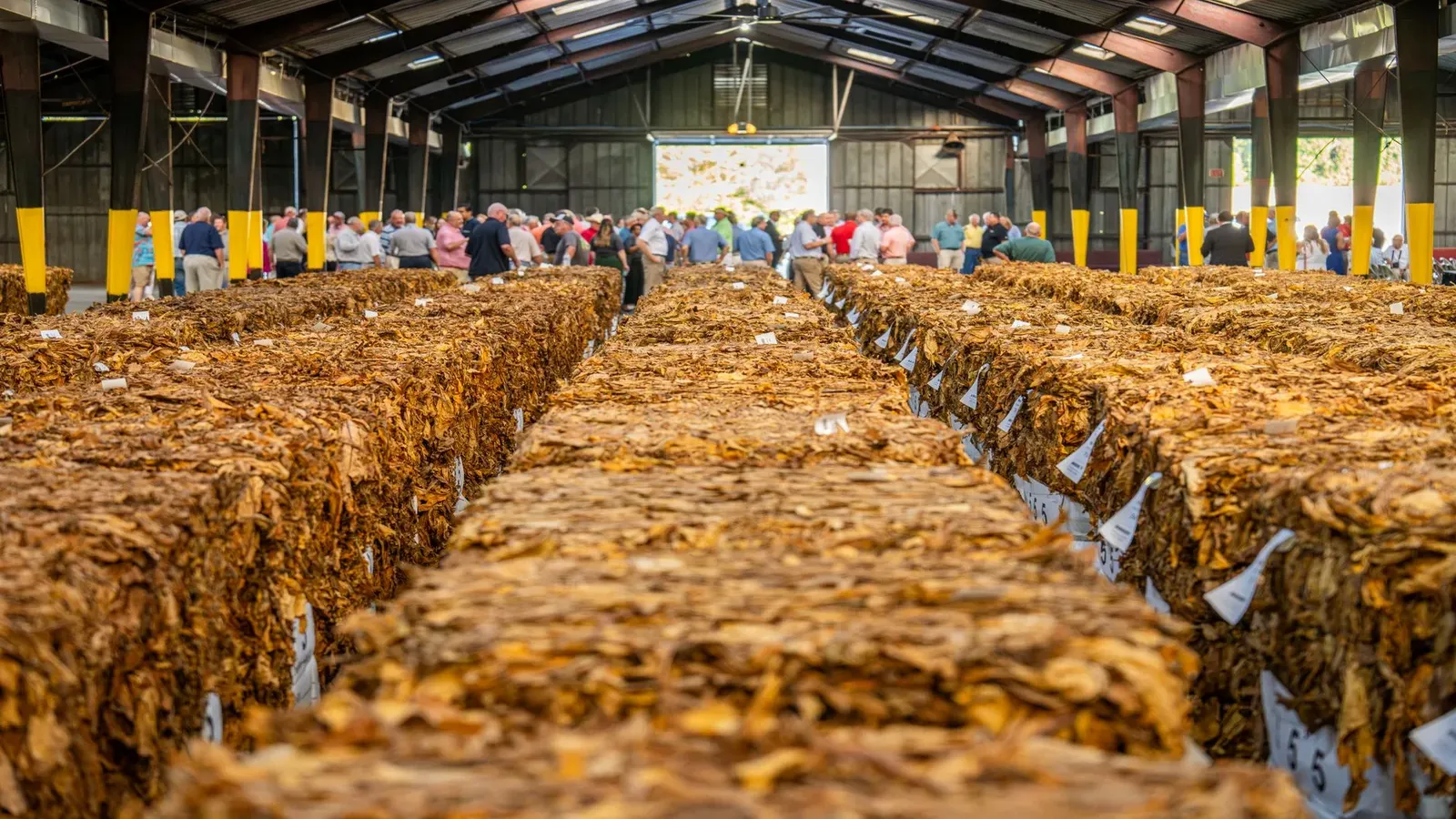
Then comes extraction. The same source states that one metric ton of dried root yields roughly two kilos of orris oil — a yield of about 0.2%. Stack five years of storage on top of that yield and it's clear why orris oil is called the most expensive material used in the fragrance industry, without anyone needing to quote a specific price per kilo to make the point.
Orris Root, Orris Butter, Orris Absolute: What the Label Terms Mean
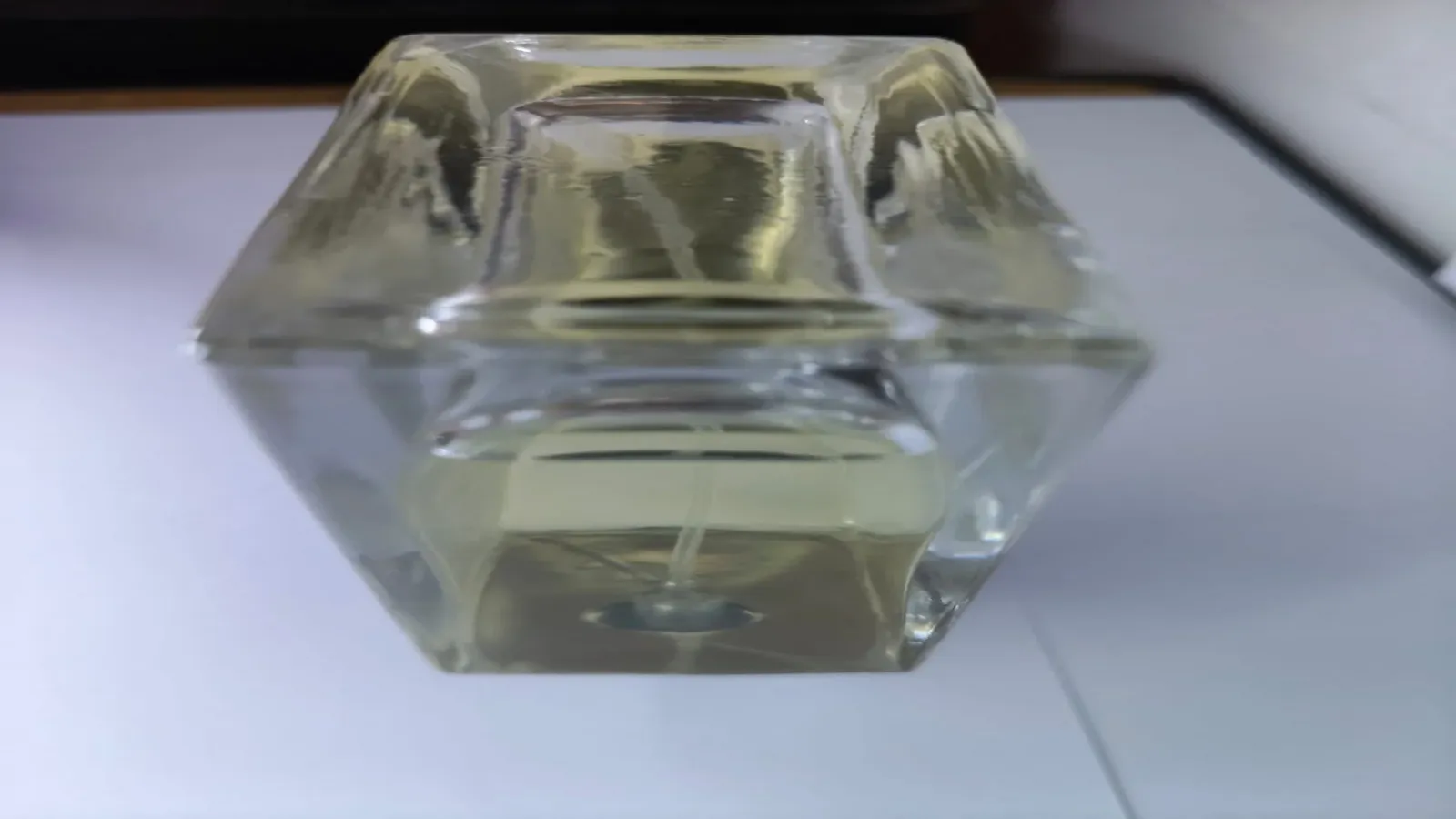
Three terms show up on ingredient lists and supplier catalogues, and they aren't interchangeable. Orris root is the raw dried rhizome itself, sometimes sold whole or powdered for potpourri and herbal use. Orris butter, also called orris concrete, is the waxy, semi-solid extract pulled from the dried root with a solvent — closer in texture to a soft wax than an oil. Orris absolute is the further-refined, alcohol-soluble liquid made from that butter, and it's the form perfumers actually blend into a formula.
If you're reading a note list on a finished bottle rather than a raw-materials catalogue, none of these distinctions usually survive translation — most perfumes just print "Iris" or "Orris," leaving the buyer to guess what's behind it. For the broader top/heart/base framework a note like this sits inside, our guide to perfume notes explained is the place to start.
What Orris Perfume Actually Smells Like
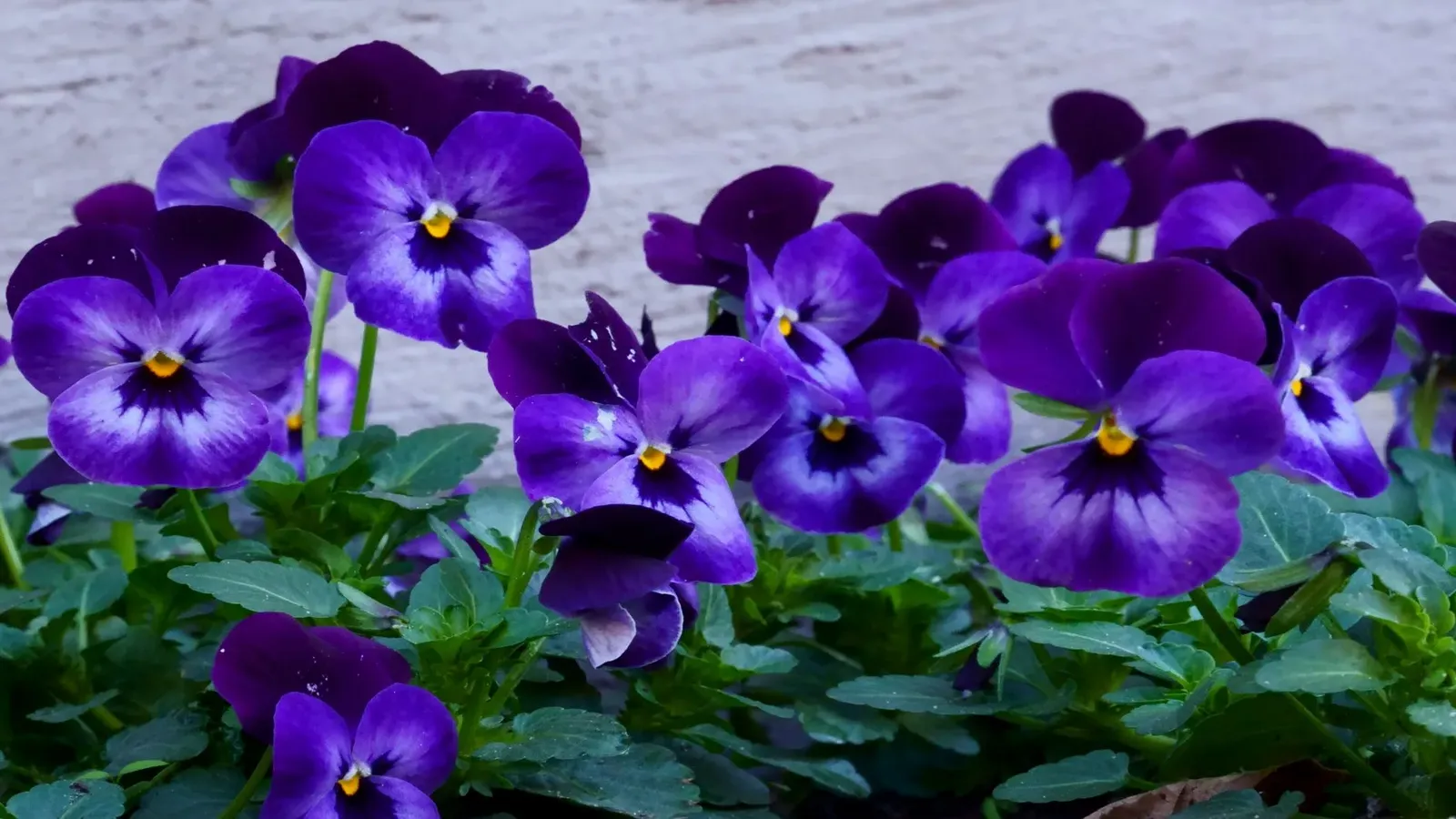
Orris smells powdery before anything else — the soft, dry-violet impression of old face powder or a compact of pressed pigment. Underneath that sits something closer to suede: a soft, slightly leathery warmth. And underneath that, if the extract is real and concentrated, sits an earthy, almost carrot-like note that most people don't expect from a flower-adjacent material. None of it smells sweet. It reads as cool and dry rather than bright.
That description comes from temperate-climate writing, which is most of what exists on the subject. We can't point to a study on how orris specifically behaves in Pokhara's monsoon humidity — none exists that we've found — but general fragrance chemistry suggests heat speeds up how quickly lighter top notes evaporate, while heavier, waxier base materials like orris tend to linger closer to the skin for longer. Treat that as reasoning, not a measured claim about this ingredient.
How to Recognise Orris on a Perfume Label
Look for the words themselves: "iris," "orris root," "orris absolute," or "orris butter" listed in the heart or base notes. If a note list just says "Iris," it's often standing in for either real orris extract or a synthetic powdery accord built from aroma chemicals like methyl ionone — the label rarely tells you which, and most retailers in Nepal don't carry supplier specification sheets for a customer to check against.
One rough signal: real orris absolute is expensive enough that a perfume built around it as a headline material is usually marketed and priced as such, often with "iris" or "orris" in the name itself. A powdery note buried in a list of a dozen other materials is far more likely to be an accord than the real, five-year-aged extract.
Real Orris vs. a Powdery Accord: Why Most Modern Perfumes Use a Substitute
Given the cost math above — years of aging against a 0.2% yield — most perfumes on any shelf, at any price, lean on synthetic powdery molecules rather than true orris absolute. That isn't a Nepal-specific shortcut or a sign of a cheaper product; it's standard practice across the industry, including houses that charge far more than a small Pokhara counter does.
We can't tell you with certainty which of our own iris-listed notes come from real orris extract versus a synthetic powdery accord, because our supplier documentation doesn't break the distinction out by ingredient. That limit is worth stating plainly rather than guessing at. If you want to read more generally about telling a real ingredient claim from a marketing one, our piece on spotting a fake perfume in Nepal covers the wider signs, though it's about counterfeit bottles rather than substituted notes.
Orris Perfume in the Shahi Aroma Catalogue: Which Compositions Actually Carry It
We checked every product's own note pyramid rather than guessing from a scent description. Six perfumes in the current catalogue list iris or orris somewhere in their notes. Citrus Fresh is the clearest case — it names "Orris Root" directly in its heart notes. The other five list "Iris" without further detail: Sassy Girl, Players, Idol, Sweetheart, and Te amo.
| Perfume | Note pyramid position | 50ml | 100ml |
|---|---|---|---|
| Sassy Girl | Iris (heart) | Rs. 1,500 | Rs. 3,000 |
| Citrus Fresh | Orris Root (heart) | Rs. 2,100 | Rs. 2,100 |
| Players | Iris (heart) | Rs. 2,100 | Rs. 2,100 |
| Idol | Iris (base) | Rs. 2,100 | Rs. 2,100 |
| Sweetheart | Orris (heart) | Rs. 2,100 | Rs. 2,100 |
| Te amo | Iris (heart) | Rs. 2,900 | Rs. 2,900 |
Each of these has an attar counterpart at 6ml carrying the identical note pyramid, if you'd rather test the note in oil form — our comparison of attar versus perfume explains what changes between the two formats beyond the notes themselves. As above, we can't confirm whether the iris or orris listed on any of these six comes from real extract or a powdery accord; what we can confirm is that the note is there on the product's own listing, checked rather than assumed. You're welcome to test any of them at the Newroad counter — see visiting Shahi Aroma in Pokhara for hours and directions — or browse the rest of the range at the full perfume catalogue.
Questions People Ask
Is orris the same thing as iris?
No. Iris is the flower and the plant genus. Orris is the dried, aged rhizome of specific iris species — mainly Iris germanica and Iris pallida — that perfumers actually extract and use. The flower itself isn't used in fragrance.
Why does orris cost more than gold?
Because of the combination of time and yield. The rhizome needs years of drying and aging before it develops any scent at all, and even after that, a ton of dried root produces only around two kilos of usable oil. That scarcity, stacked on top of years of storage, is what pushes the cost above gold on a per-weight basis.
What does orris actually smell like?
Powdery first, like old face powder or violet-scented pigment, with a soft suede warmth underneath and, in concentrated real extract, an earthy note some people describe as carrot-like. It isn't sweet or bright — it reads as cool and dry.
How can I tell if a perfume really contains orris and not a synthetic substitute?
Honestly, you often can't from the label alone. A note list that just says "Iris" could mean either. The clearest signal is whether the fragrance is marketed and priced around orris as its headline material — a genuine orris-forward perfume tends to say so loudly, because the material is expensive enough to be worth advertising.
What's the difference between orris root, orris butter, and orris absolute?
Orris root is the dried rhizome itself. Orris butter is the waxy extract pulled from that root with a solvent. Orris absolute is the further-refined, alcohol-soluble liquid made from the butter, and it's the form that actually goes into a finished perfume.
The short version
Orris is the dried, years-aged rhizome of specific iris species, not the flower — and a 1,000kg-to-2kg yield after that long drying is what makes it pricier than gold. Six Shahi Aroma perfumes list iris or orris in their own note pyramid, from Sassy Girl at Rs. 1,500 to Te amo at Rs. 2,900, though we can't confirm whether any of them use real extract or a powdery accord.
Test them yourself at the Newroad counter in Pokhara, browse the rest at the perfume shop, or call +977 9829184422 before you visit.